How we help

CHA Leverages Resultant’s Data Assessment to Save Over $2M Annually
Our team has 25 years of experience driving better patient outcomes and business operations. Talk to us.
Operational inefficiencies cost more than just dollars.
Staffing Shortages
Unpredictable workloads, insufficient coverage, and last-minute scrambling reduce care quality and are leading causes of chronic stress and exhaustion.
Staffing shortages contribute to many other operational inefficiencies: long waits, extended stays, readmission penalties, and more.
Predictive staffing proactively anticipates patient demand to avoid reactive firefighting when crises hit.
Care Quality Shortfalls
Specialized staff working below their licensure can’t direct full attention to the patients that need them most. Systems that don’t talk to each other delay connections that can better inform care.
Likewise, unoptimized EDs, ORs, imaging, and labs result in patients waiting for the care they need.
Predictive models can identify care demands and patient risks, enabling earlier, more effective preventative intervention.
Financial Waste
Avoidable readmissions reduce reimbursement and can trigger penalties. Poor discharge planning increases length of stays, using resources without adding revenue.
Meanwhile, temporary staff and overtime pay increase labor costs. Empty beds and idle ORs generate no income.
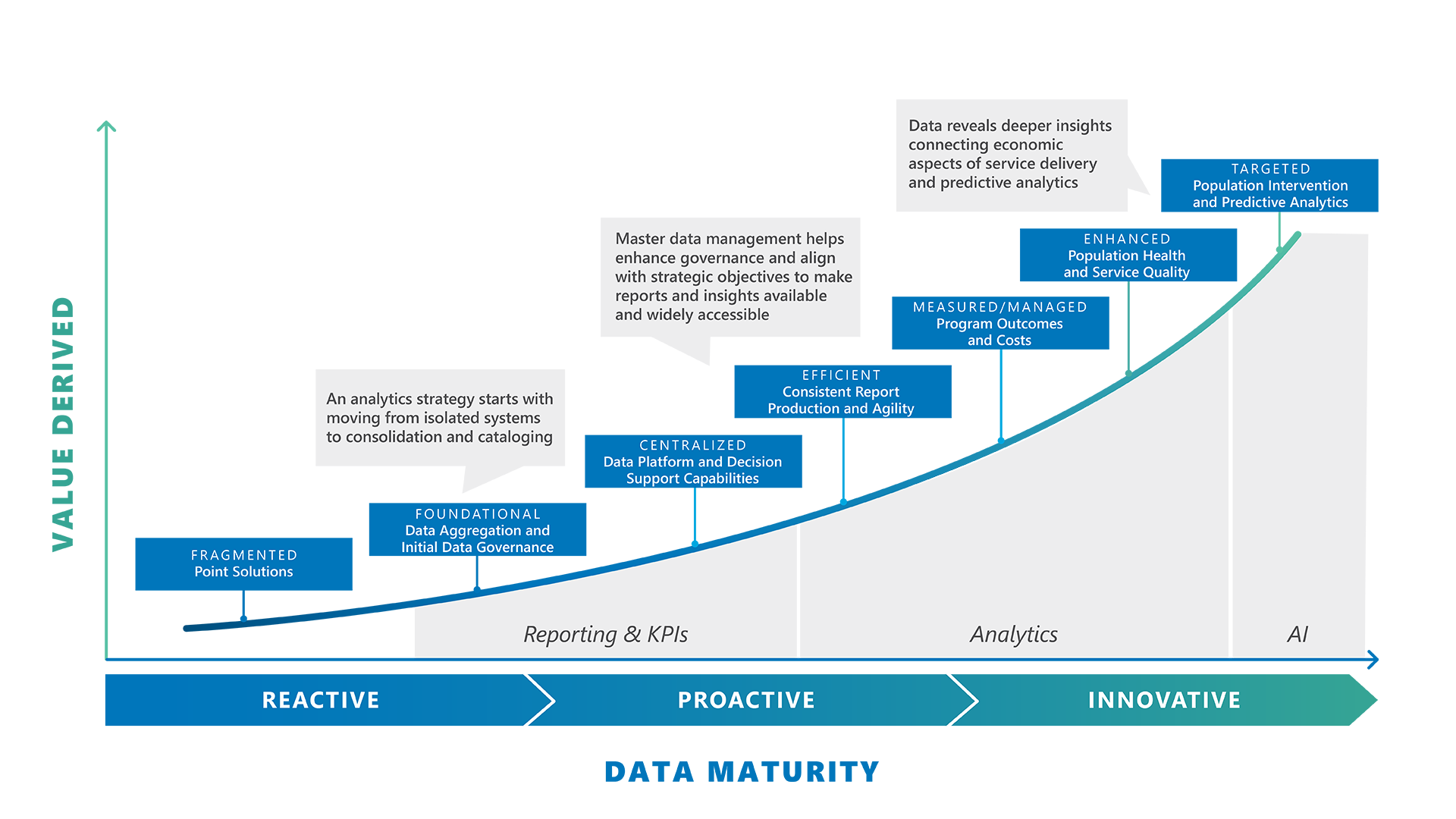
Predictive, AI-powered analytics bring efficiencies; even small boosts compound into big savings.
Transforming an organization requires a partner who can both develop a strategy and execute it to create value

Meet your team

SVP, Professional Services

Director, Health Strategy

Director, Healthcare Operations



What Data Means for the Future of Pediatric Hospitals
Insights delivered to your inbox