The consultant who stays for delivery
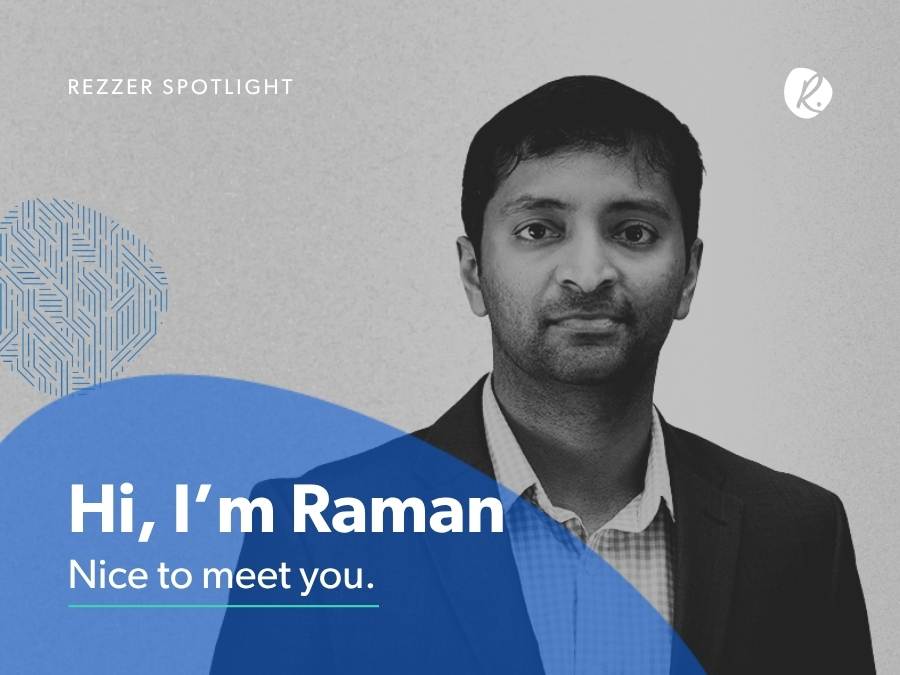
Ask Raman Perivela what makes someone successful in consulting, and he probably won’t mention sales. In fact, he’ll tell you it doesn’t come naturally to him. “I don’t have the sales gene,” he said.
What Raman does have is a habit of preparation. Before meeting with a client, he digs into quarterly reports, leadership changes, technology investments, and the organization’s existing technology landscape. Just as importantly, he’s prepared to have honest conversations about the challenges organizations like theirs typically face. “Clients want to hear what can go wrong,” he said. “Coming in with that experience and understanding of how to tackle it, not figuring things out on the go, that’s what builds trust and confidence.”
For Raman, consulting begins with curiosity. Before recommending solutions, he wants to understand the business challenge underneath the request. That means asking better questions.
Bridging technology and business
Long before he was leading complex technology modernization programs, Raman was an engineer in South India with a fascination for how technology works. He earned a degree in Information Systems and spent six years building software before realizing he was just as interested in why organizations made technology decisions as how they implemented them.
One project in particular changed his perspective. While working in aerospace, his team developed an automation solution that saved a major client millions of dollars in manual processing and ultimately earned a patent.
“I started thinking from a bigger picture perspective. How does what we do on a day-to-day basis help with business outcomes? What’s the real impact?”
That question led him to Wake Forest University, where he earned an MBA in Finance and Consulting before beginning a consulting career that now spans more than 14 years, including time at Grant Thornton and nearly three years at Resultant.
That combination of technical depth and business perspective allows him to operate comfortably in both worlds. He can review code with architects one day and help executive teams think through long-term strategy the next. “I can go very granular and work with the architects, review the code at that level,” he said. “But I can also step back and look from the 10,000-foot level and think about whether the solution is sustainable five years from now.”
Following the work all the way through
Raman’s role extends well beyond winning new business. He helps shape opportunities, then stays with clients through delivery, leading the cross-functional teams responsible for executing what was promised. “I don’t do the sale and disappear,” he said. “I do the delivery as well.”
That continuity changes conversations. Rather than optimizing for the next contract, Raman’s thinking about whether the approach will still make sense months or years later. It also means change management is part of the conversation from day one, not something added after technical decisions have already been made.
When an assessment became something bigger
One engagement illustrates that approach better than any résumé bullet could.
In 2024, a client brought Resultant in for what appeared to be a straightforward six-week assessment of its data environment. The assignment was familiar: interview stakeholders, evaluate the current architecture, identify gaps, and recommend a path forward.
As the team worked through the assessment, Raman realized the client’s biggest challenge wasn’t its data platform as they originally thought. It was that the organization’s ambitions had outgrown the foundation supporting them.
Within weeks, the conversation shifted from recommendations to transformation. Raman assembled a cross-functional team, worked with executive stakeholders to define a long-term vision, and developed a statement of work covering program management, change management, governance, and multiple technical workstreams.
This assessment became one of Resultant’s largest private-sector engagements.
Nine months later, the team had delivered a modern data platform that established a trusted foundation for analytics, reporting, and future growth. The success of that first phase led directly to a second long-term engagement.
“We had our ups and downs,” Raman said. “If anyone tells you otherwise, they’re lying.”
For Raman, that’s the reality of meaningful transformation. The work doesn’t stop with answering the question a client asks. It starts with understanding why they’re asking it in the first place.
Outside the office
Raman lives in Charlotte, North Carolina, with his wife and their two daughters. Much of family life revolves around swimming lessons, piano, and keeping up with two energetic kids.
He returns to India every year or so to spend time with his parents, sister, and extended family, and when there’s time to unwind, you’ll likely find him catching up on sports or reading The Wall Street Journal.
Be forewarned that one topic guaranteed to spark a spirited conversation is tennis. Most people choose Federer. Raman is firmly in Rafael Nadal’s corner and can discuss why for hours if you give him the opening.